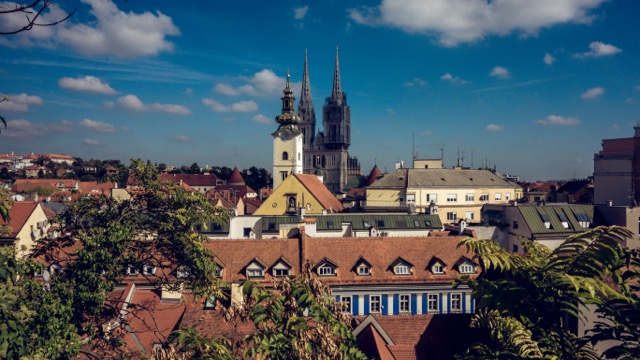
“Is Croatia expensive?” This question has become increasingly common among travelers planning a Mediterranean getaway. Once known as an affordable alternative to Italy or France, Croatia has seen noticeable price changes in recent years. The truth, however, is more nuanced. While Croatia has experienced higher price increases than some of its Mediterranean competitors, it still offers exceptional value – if you know where and how to look.
This article breaks down the real cost of traveling to Croatia today and explains why smart planning, off-season travel, and local expertise make all the difference.
Why Does Croatia Feel More Expensive Than Before?
Statistically speaking, Croatia has recorded above-average price growth in tourism-related sectors over the past few years. Accommodation prices, restaurant menus, and services in popular coastal hotspots have risen faster than in countries such as Spain, Greece, or Portugal.
Several factors explain this trend:
- Entry into the eurozone
- Strong post-pandemic tourism demand
- Heavy concentration of visitors in a limited number of destinations
- Short but intense high season
As a result, Dubrovnik in July or a central Hvar restaurant in August can indeed feel expensive and often very expensive.
But here’s the key point to answering the question of whether Croatia is expensive: this is not the whole country.

Is Croatia Expensive Everywhere? Absolutely Not.
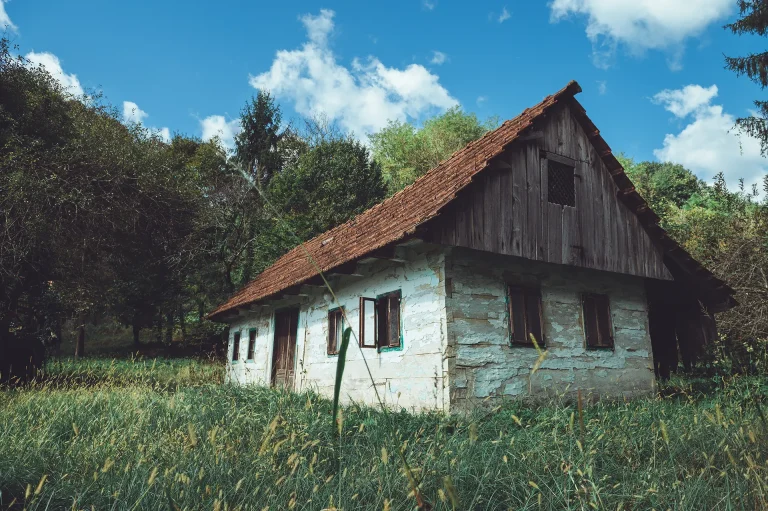
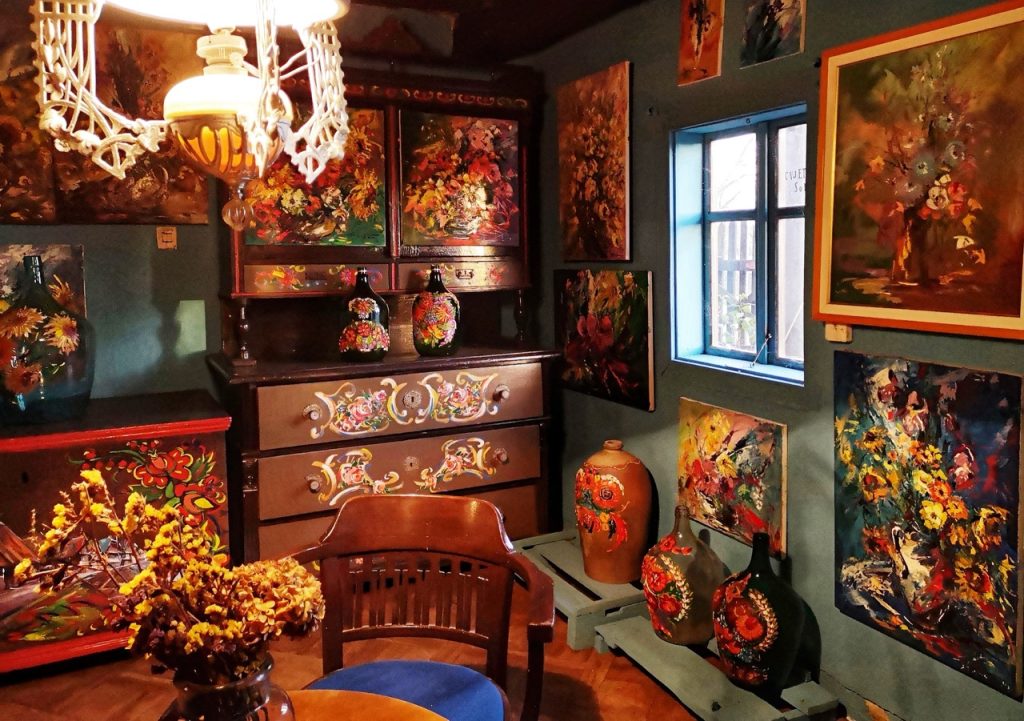
While headline prices from famous destinations dominate travel forums, they represent only a small slice of what Croatia actually offers. Beyond the most Instagrammed locations lies a network of lesser-known regions, islands, and inland areas where prices remain reasonable and experiences often feel more authentic.
In these hidden corners of Croatia, travelers can enjoy:
- Family-run guesthouses instead of overpriced hotels
- Local taverns serving seasonal cuisine at fair prices
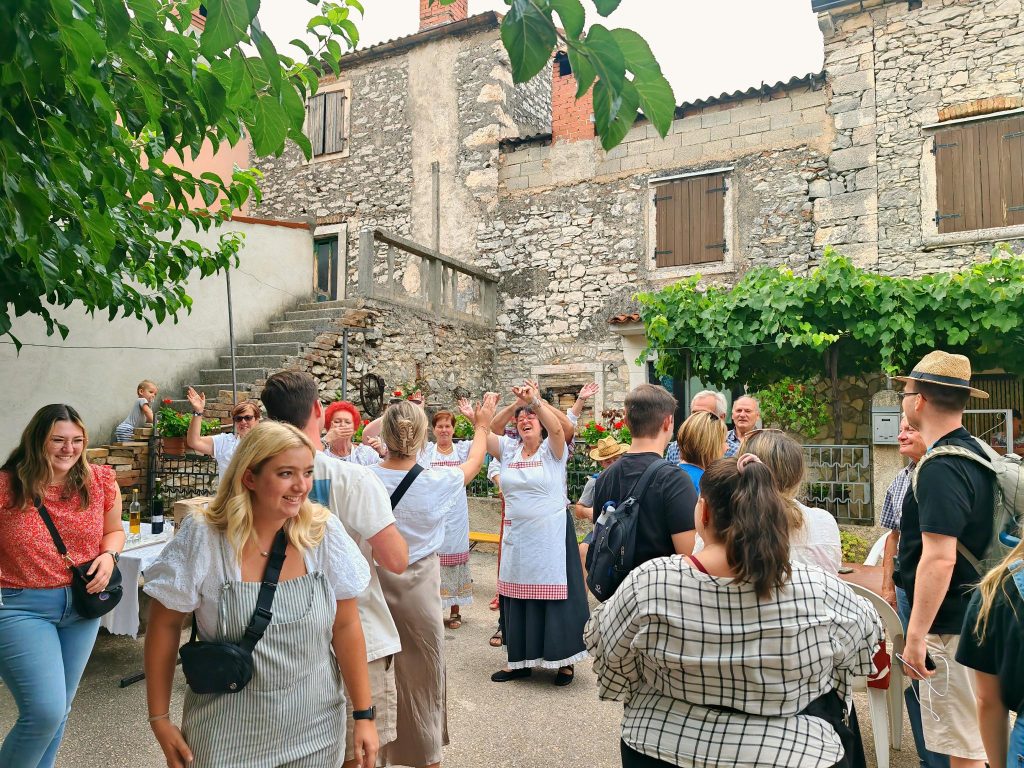
- Private guides, artisans, and producers offering genuine encounters
- Nature-rich experiences without entrance queues or crowds
In other words, Croatia is expensive only if you travel Croatia like everyone else.
Why Research Matters More Than Ever?
Because price differences between “tourist hotspots” and “local Croatia” are now greater than ever, thorough research has become essential. Choosing the right base, timing, and activities can easily cut travel costs by 30-40% without compromising quality (quite the opposite, actually).
But, this is where working with a knowledgeable local partner becomes invaluable. Instead of booking what algorithms push to the top, experienced locals know:
- Which destinations still offer fair value
- When prices drop sharply
- Which experiences are worth paying for, and which are not
- How to balance comfort, authenticity, and budget
At Culsperience, this philosophy is at the core of every itinerary. The focus is not on chasing luxury or volume, but on best value for money through meaningful, well-researched experiences.
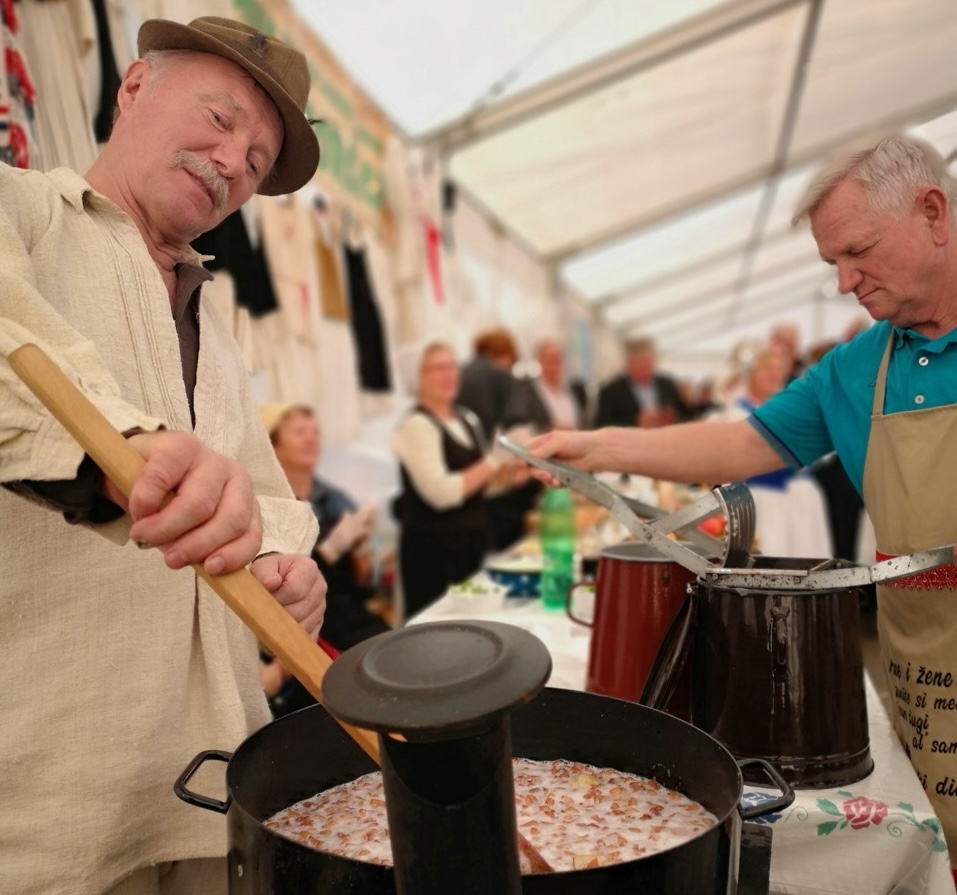
Croatia Off-Season: Cheaper, Calmer, Better?
If you’re wondering is Croatia expensive, or better, when Croatia is most affordable, the answer is clear: off-season travel.
The months of April–May and September–October offer a near-perfect balance:
- Lower accommodation prices
- Fewer crowds at major sights
- Pleasant temperatures for walking, hiking, and food-focused travel
- More personal interaction with locals
For travelers who value atmosphere, culture, and comfort over beach-party intensity, off-season Croatia often feels like a completely different country – and a much more affordable one.
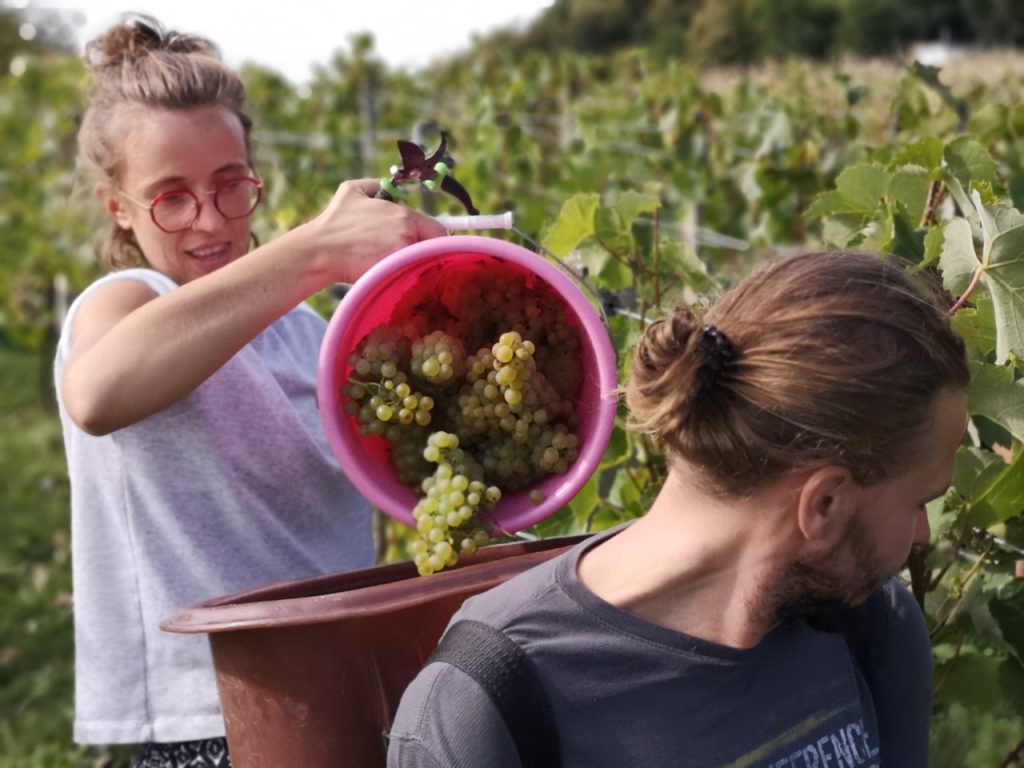
So, Is Croatia Expensive? The Honest Answer
Croatia can be expensive, but it doesn’t have to be.
If you visit only peak-season hotspots with minimal planning, prices will likely disappoint. If, however, you explore beyond the obvious, travel outside peak months, and rely on local insight, Croatia remains a destination where quality still outweighs cost.
The real question is not “Is Croatia expensive?”
It’s “How do you want to experience Croatia?” With thoughtful planning and the right local guidance, Croatia is still one of the Mediterranean’s and Central Europe’s most rewarding and reasonably priced destinations for travelers seeking depth, authenticity, and meaning.